
Tom Rowley: Sheffield Noir & The Weight Of Tape
West Coast glamour meets Northern grit in a soundtrack for a film that doesn't exist.

Read interview in German here
There’s just something about the way Tom Rowley delivers “Vegas in the snow” that lets you feel it. The wet roads under streetlights, the collar popped up against the cold, the glamour of Hollywood shimmer filtered through drizzle of Sheffield.
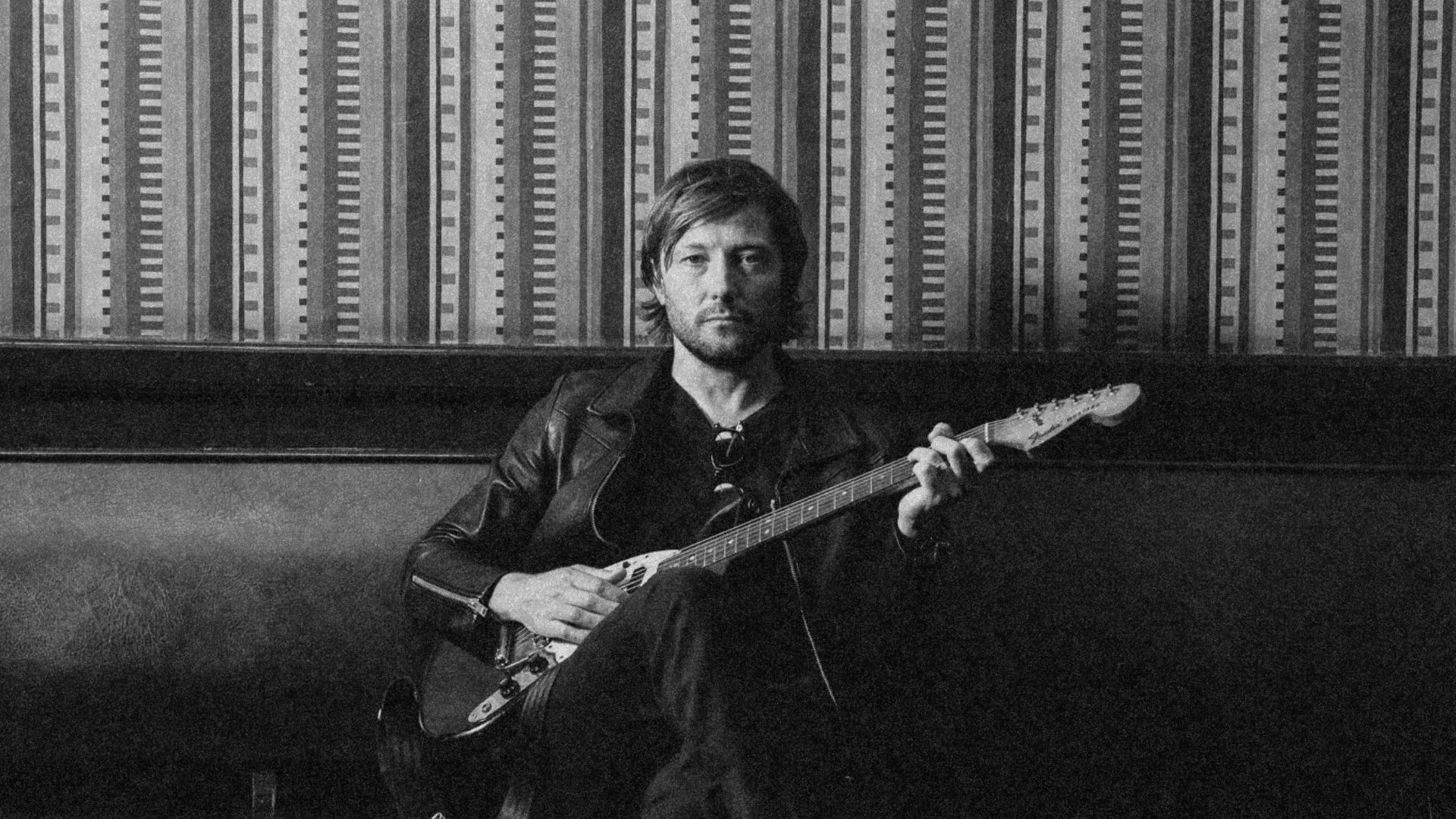
His new single, “El Chapo” is no exception to this trend because it inhabits that same atmosphere, where West Coast meets Northern grit in a way that neither one comes out unchanged.
It’s out today on all platforms. But this isn’t playlist fodder designed to sit politely between pop hits. It’s a track that demands you turn the lights off before you press play.
We had a conversation earlier this week regarding the new single, the songwriting process, and the influence eight years of visiting Los Angeles had on the way he sees home.
Rowley’s been the architect behind other people’s visions for years now, founding Milburn at fourteen, writing and performing with Reverend and The Makers. Touring the world as a co-writer with his hands on someone else’s keys. But there’s only so long you can watch your songs leave your body and come back wearing someone else’s voice.
“It can feel a lot more daunting writing on your own,” he says. “There was a lot more demoing and exploring options via recording as you can’t just play something through in a room to see if it works or not.”
But isolation has its own rewards. When the songs finally hit tape in LA, the demos evolved. Loren Humphrey-the analog purist whose fingerprints are on records by Florence + The Machine brought in the right players. The songs found new shapes. “When it came to tracking the songs for the album though it was a lot more collaborative and the feel of some of the songs changed from original demos.”
Understanding the texture of sound, not just its structure. That makes the difference.
SHEFFIELD AS ANCHOR
While the rest of the industry is smoothing edges, filing down regional voices to something more palatable for algorithm playlists, Rowley’s delivery stays rooted. Sheffield through and through.
“I really don’t think I could sing any other way,” he says. “Even when I sing other people’s songs I tend to revert back to the Sheffield accent.”
It’s not a choice. It’s the only honest way through. Unpolished and real.
CHARACTER AND CONFESSION
Early tracks like Tell Me What You Want came at you direct. Blunt force autobiography. But lately, Rowley’s been working in shadows, building worlds where the “I” isn’t always him, even when it is.
“There’s a bit of both throughout the album. Songs like Tell Me What You Want, Something Strange and The Struggle are all definitely autobiographical and very on the nose. Whereas songs like Vegas in the Snow, MOR and Rite Time are all still about my experiences but definitely more abstract.”
The wolf man. Vegas buried in snow. Metaphors that allow you to tell the truth sideways.
WEST COAST THROUGH NORTHERN EYES
Eight years of trips to Los Angeles will do something to you, especially if you’d never set foot in America before. The palm trees, the light, the whole myth of it - the American Dream. But Rowley isn’t writing California dreaming-he’s writing what happens when you carry all that back home to Yorkshire and it doesn’t quite translate.
“I’ve spent quite a bit of time in America and particularly LA over the past 8 years and for someone who had never been until then I found it fascinating. The places and people I’ve encountered have therefore made their way into my writing but still from the Sheffield perspective.”
American light refracted through English rain. Glamour in translation.
THE CRIME SCENE
The song is also defined by a balance between analog warmth and lyrical coldness. It evokes the atmosphere of 70s crime thriller - moody, visual, abstract, and atmospheric.
With Humphrey’s “unbelievable” drumming as a foundation, the rhythm section completely bypasses the digital grid. It was done “proper fast” and straight to tape, so it still captures the relaxed, room sound quality, a human, heartbeat-beat which simply cannot be replicated digitally.
Rowley leans heavy into the guitar here, eschewing technical twiddling for jagged, wailing leads that mirror the lyrical violence - "blood on the track" and the "warmth of a gun." Beneath it, vintage keys provide a tender but eerie backdrop required for the song's noir aesthetic.

THE WEIGHT OF TAPE
Ask Rowley where the noir aesthetic comes from and he’ll point you to Loren Humphrey and a stack of records that understood something about recording that’s been lost in the digital age.
“I was lucky enough to work with Loren Humphrey who is very much of the analog nature and he definitely made me realise those visions.”
Not chasing modern production. Not obsessing over polish. Just straight to tape, the way the seventies did it - immediate, unvarnished, present. “It was more specific records and the way they were recorded that was more inspiring I believe.” Tactile, human and a process that demands conviction rather than correction.
“El Chapo” is out now. No campaign. Just a song that needed to exist, finally finding their way out of dressing rooms and demo folders and onto tape. You can also catch Tom on tour this year. He tours the UK in late February and March of 2026.
- Shelley D. Schwartz
Give it a listen down below: