

The Erasure of Place: Why We Miss the Sound of ‘Somewhere’
From the wails of Kate Bush to the Britpop boys - a summary of a sociolinguistical research at why we crave voices that refuse to be Americanised.

The modern pop vocal carries a specific quality to it. It is smooth, proficient, and most of all, geographically ambiguous. Scroll through your “New Weekly Discover” playlists and you will hear a phenomenon linguists call “levelling”; a gradual smoothing out of vowels and consonants until the singer sounds like they could be from Los Angeles, London, or Stockholm simultaneously. It is mind boggling. And why does it happen? Of course, to sell records - to appeal to the global crowd, to prevent prejudice.
We are living in the age of the so called “Nowhere Voice”.
Perhaps this is why, there is a violent nostalgia for the 1990s that is flooding the internet currently. When we like photos of a young Damon Albarn or share clips of Kate Bush’s “Running Up That Hill”, we aren’t just looking at vintage fashion and vibes. We are yearning for texture in music - in our lives.
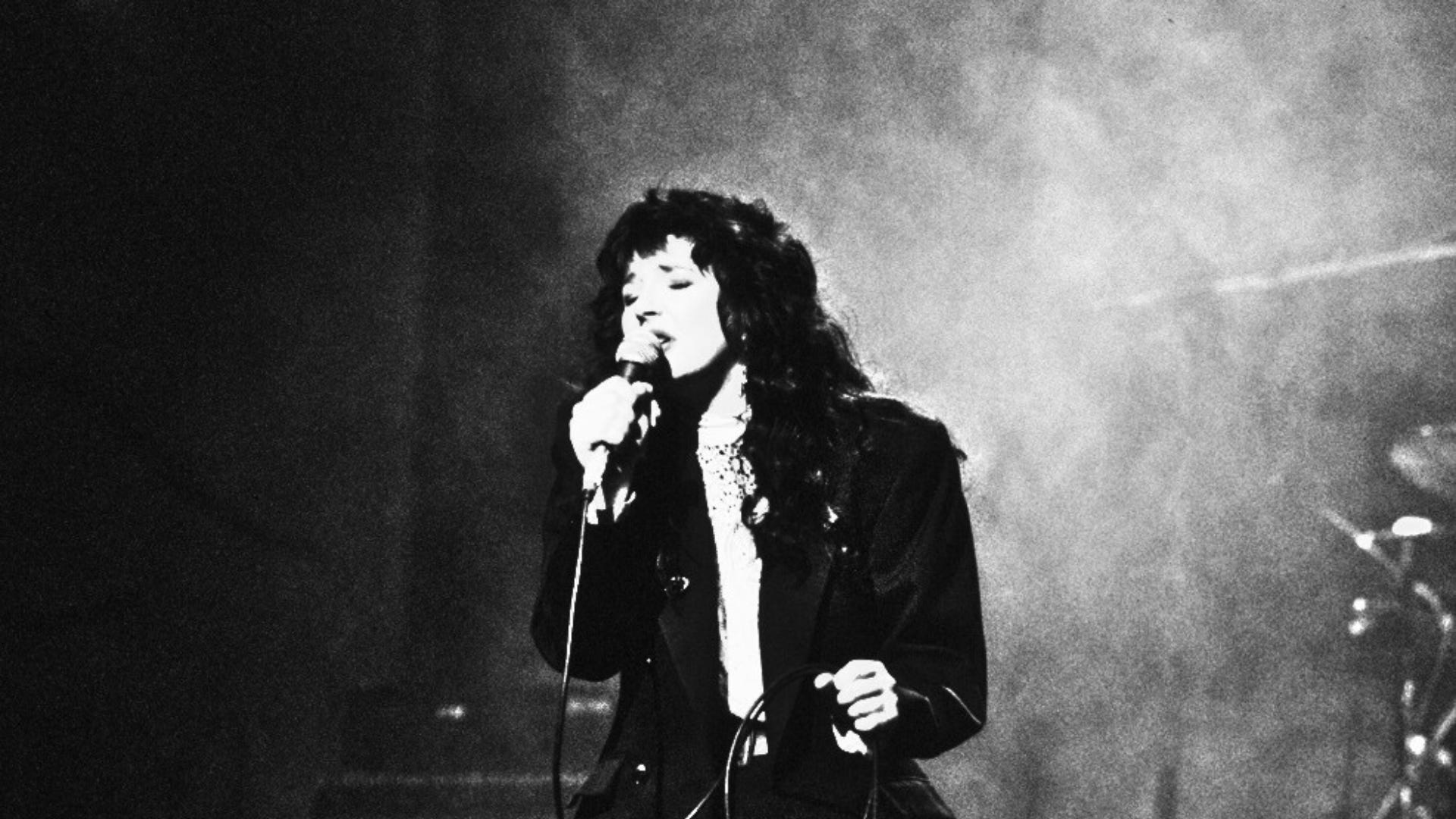
In the 1990s, the battle of pop culture was drawn by accent. Damon Albarn was known for a distinct “Mockney” (exaggerated London - “mock” + “Cockney”) drawl to reject the gloom of Americanisation in music, and Kate Bush leaned into a theatrical, almost cabaret-like Englishness. They represented a broader refusal to accept the transatlantic standard that got stronger and stronger.
But was this pride in regional identity genuine, or just a trend?
I recently conducted a sociolinguistic analysis of British vocal performance for my Bachelor thesis. I focused on the some giants of Britpop’s accents - we’re talking Oasis and Pulp etc. Did they stay true to their roots or did they sell out to the global market to appeal to a wider, global audience? The results I found during my research tell a story about the changing shape of authenticity.
Americanisation
In linguistics, there is a framework known as the “USA-5 Model.” which is used to tracks how British singers often change their accents in order to appeal to the global music market. It measures the “drift”- the moment a sharp British “T” becomes a soft American “D” flap (making water sound like wadder).
My research focused on the time period from 1994 to 2025. Within my research, I was able to find absolute divide between the generation that refused to change, and the generation that followed.
The Unbothered Generation (1994-2025)
The data I recorded on Liam Gallagher (Oasis) is probably the most revealing. Tracking Gallagher’s vocal performance from the raw ambition of 1994’s Definitely Maybe through to his solo work in 2019 on Why Me? Why Not?, the findings are conclusive: Gallagher is a phonological fortress.
Across the regarded 30-year span, him using the famous “Mancunian” features - the glottal stop (swallowing the ‘t’ in words like about or got), and the specific Manchester flat short vowels - remained surprisingly identical.
The same applies to Jarvis Cocker of Pulp. Despite decades of fame and time lived abroad, Cocker’s Sheffield accent in 2025 remains as distinct as it was on 1994’s His ‘n’ Hers. For these UK artists, the accent wasn’t a costume, a facade or a marketing strategy. It was an immutable anchor into their identity of being British. It marked a refusal to “polish” themselves for American consumption - a decision against globalisation.
The “Tumblr” Generation
However, as we moved into the 2010s, something’s changed. The identity of the “Lad” was replaced by the “Soft Boy” aesthetic, and the accents began to float, change, adapt.
The modern indie frontman is best exemplified by Matty Healy (The 1975) - another frontman that keeps trending on social media - although not so much for vocal delivery but more for his art and provocative behaviour on stage.
While Healy is a student of the Britpop era (and shares that specific Northern identity), his vocal performance represents a modern departure from the rigid regionalism of the 1990s. Healy’s voice is not defined by a specific town, but by a specific culture - an online, transatlantic, highly curated sound.
Although Healy has highlighted the importance of Manchester to him and his identity in music, Healy is comfortable shifting shapes. Moving from British pronunciation to Americanised phrasing depending on the “vibe” and cadence of the track. It is a voice designed not just for the pub but for the global feed. This isn’t a critique of talent - it’s a reflection of our times.
The Case for Texture
This is why the raw, unpolished clip of a 90s interview or a track from 1994 hits different today. We are starved for place.
We miss the friction of a voice that refuses to compromise. Whether it’s Kate Bush’s refusal to sound like a pop star, or Liam Gallagher’s refusal to sound like he’s left Burnage, these voices remind us that identity is often found in the “flaws” - the specific, local quirks that an auto-tune plugin would try to correct.
In a world of smooth, edited and samey surfaces, the most radical thing you can be is truly yourself.
Up Next: Heidi Curtis
If we are looking for artists who still believe in building their own sonic worlds in music while being proud of their regional, linguistic identity, we don’t have to look back to 1994.
In my next post, I’m in conversation with Geordie artist Heidi Curtis - known for supporting UK acts like Ben Howard and Sam Fender. We discuss the architecture of her new single “Siren”, the influence of the past, and the bravery required to find a voice that is uniquely, undeniably your own in a world full of polished imagery and the pressure to fit in.
Subscribe here to get the interview in your inbox.
Shelley D. Schwartz
[Data source: "Accents in Transition: A Diachronic Analysis of Northern English Singers" - 2025]