

The Death of the Frontman & Why We Miss the Chaos
On Jim Morrison, Mick Jagger, Iggy Pop, Alex Chilton and Joey Ramone

There is a specific brand of silence that has settled over the modern stage, and it tastes like sanitised, still water. We find ourselves living in an era of the “polished” frontman - men who are meticulously curated, media-trained into oblivion, and terrified of a stray hair or a controversial cadence. They are professional in appearance, yet curiously casual in their commitment. They treat the stage like a temporary hobby, a place to be “seen” until they decide to clock out and return to the comfort of the mundane.
At The Crimson Wire, we find ourselves looking back through the grain of 16mm film to a time when the stage wasn’t a workplace but a site of ritualistic possession.
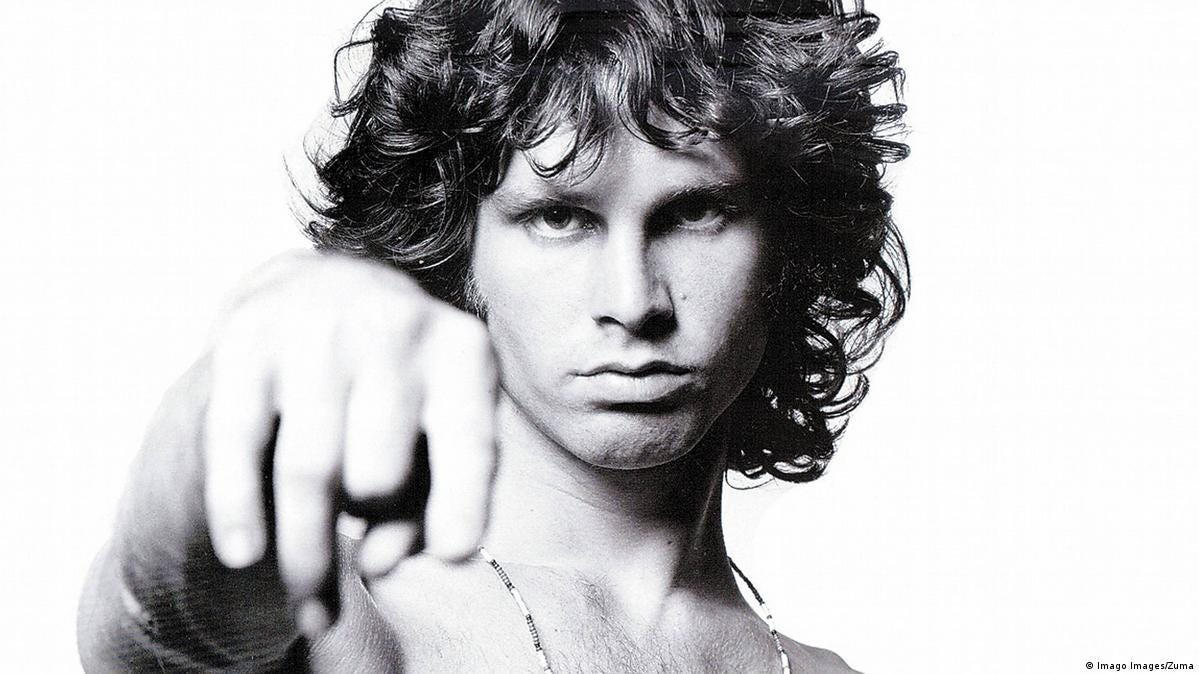
The Lizard King and the Architecture of Danger
Jim Morrison was never “clean.” He was a mess of leather, Dionysian sweat, Rimbaud poetry, and nihilist literature by Nietzsche. He didn’t just sing; he actively conducted an exorcism of the American psyche in public sight. By adopting the mantle of the Lizard King, he transformed himself from a mere vocalist into a shamanic figure, weaponizing his poetry to blur the line between a rock concert and a séance. His spoken-word interludes - often improvised, frequently unhinged - were a deliberate sabotage of the conventional pop structure. He dragged the audience into his own subconscious, demanding they confront the dark, cinematic underbelly of the era.
When he stood at the edge of the stage, there was a palpable sense of danger - not a physical threat, but a psychological one. No one was sure whether he was going to finish the set, fall into a trance that lasted until dawn, or whether he was going to be arrested. He treated the microphone as a sacred altar, demanding absolute submission to the moment.
Yet, the brilliance of Morrison - and the crucial detail modern cosplayers so consistently miss - was the duality of the monster. Off the stage, he did not rely on the crutch of cruelty. He was disarmingly articulate to the press, notoriously charming to his publicists, and possessed a quiet, gentlemanly magnetism with his fans. He understood that true danger requires a foundation of profound charisma. Grit is not synonymous with being an insufferable, hostile person; it is the terrifyingly beautiful work ethic of a performer who refuses to be casual about their art, paired with the high-art intelligence to know exactly when to sheathe the claws.
That is the grit we’ve lost. Modern frontmen treat their personas like a digital profile - optimised for engagement, scrubbed of any friction. Morrison, conversely, was all friction. Morrison ultimatively understood that to be a muse, one must first be willing to be a monster - and to be a monster, one must first master the art of charming the entire room, claiming and capturing their attention.
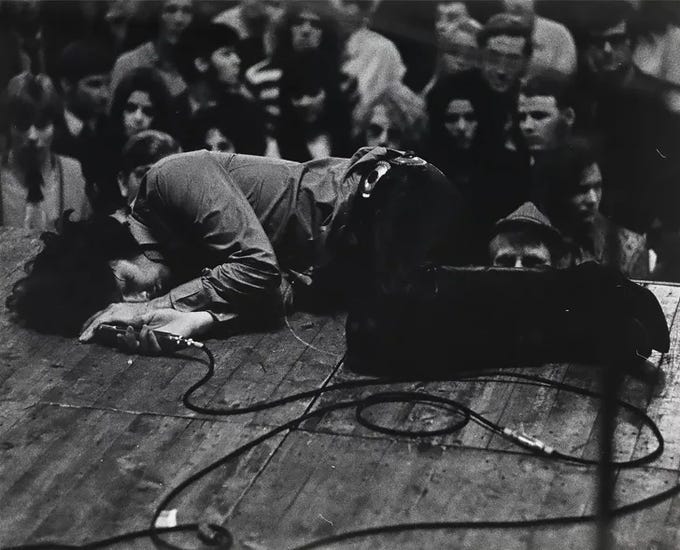
The Blueprint of Personality: The Icons of Obsession
To understand what is missing today, we must look at the characteristically jagged edges of the icons who treated the mic stand like a lifeline, not a prop. Mick Jagger didn’t just dance; he possessed the space. While his contemporaries held instruments like shields, Jagger was alone at the mic, a flamboyant predator in velvet. He was famous for the way he would run many miles as part of his physical training, ensuring that when he stepped onto the pitch, he could dominate the stadium without even slowing down. This wasn’t something he did just for fun; it was a passion. Likewise, Robert Plant, known as the “Golden God,” infused his performances with a sense of mysticism and even the occult. Whether he sang about Norse mythology or “The Lemon Song,” he was a man of pure vocals and no compromise on being a legend.
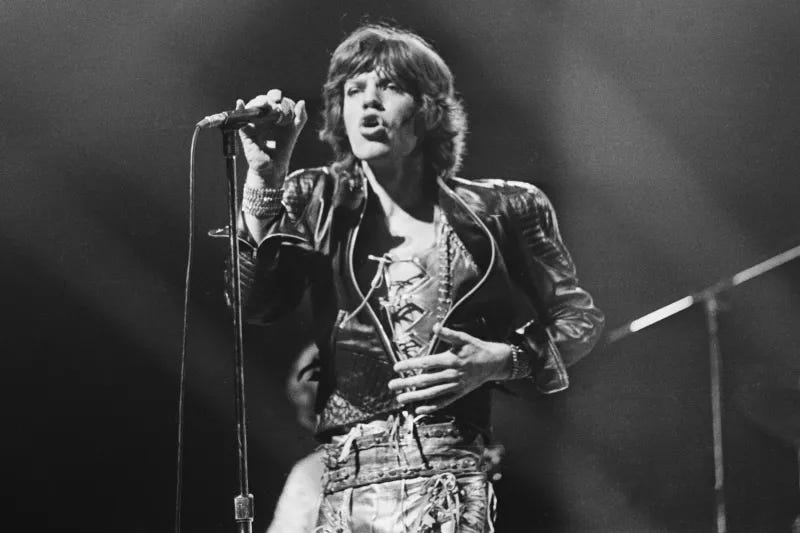
And then there was Iggy Pop, the Godfather of the unfiltered, unflinching. Inspired by seeing Morrison’s own confrontation with an audience, Iggy turned the stage into chaos. Whether he was stage-diving into the unknown or contorting himself into strange positions shirtless, he proved that grit isn’t about being “mean” - it’s about being so committed to the moment that you’re willing to leave pieces of yourself on the floor.
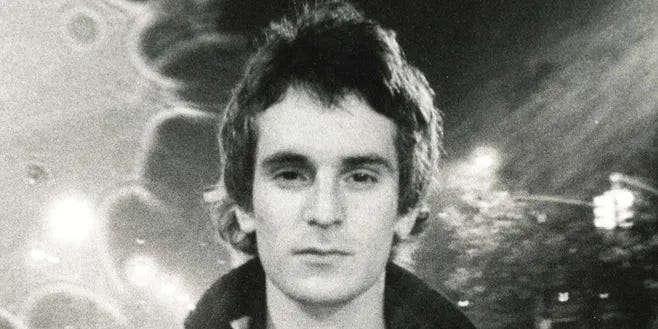
In a different vein of intensity, Alex Chilton became the architect of the “beautiful loser” archetype in Big Star. Chilton moved from teen-pop stardom to a gritty, high-art vulnerability, known for a soulful delivery and a career trajectory that prioritised the integrity of the song over the comfort of the industry. He treated the craft with a desperate, brilliant seriousness that felt like a secret shared only with the initiated, often famously refusing to play his "hits" live. In Chilton’s opinion, the stage is not a jukebox that plays old hits; it is an environment in which the performer creates something today. And, if the audience wanted to hear his old radio hits, they did not know whom they were listening to.
And we cannot leave out the iconic figure of Joey Ramone, a giant of a man in black leather with a bent back? His vocal performance connected the sounds of 60s girl bands and punk rock. Joey was the beating heart of the Bowery scene, a person who had devoted all his life to the music industry.
The Problem with the “Professional” Rock Star
Today’s frontmen are often too busy being “nice guys” to be interesting. They want to be relatable. But rock and roll was never meant to be relatable; it was meant to be an escape.
Perhaps the most egregious sin of the modern era is the lack of obsession. We see performers who treat their music like a side-hustle, something they can simply “clock out” of when they get bored.
To the greats, the music was the only job that mattered. There was no “off” switch. They lived in the sonic architecture of their own creation until it consumed them. Grit isn’t about being horrible, or uncharming to your fans or the press; it’s about the terrifyingly beautiful work ethic of a performer who refuses to be casual about their art.
We aren’t calling for a return to mindless excess. We are calling for the industry to be broken by something real again - unpolished art. We want frontmen who move like they have a secret. We want the noir shadows, and the emotional whiplash of a performer who doesn’t know where the character ends and the man begins.
The industry may have sanitised the spotlight but the shadows are still ours to claim. We don’t need more “perfect” men. We need the return of the freak show romance. We need performers who treat the stage like the only room in the world that matters. We need the grit.
-Shelley D. Schwartz