

Notes of a Young Woman in Music Journalism
On Asking Musicians What Matters

There’s a certain look people give you when you’re a young woman in music journalism. I’ve felt it. For years. Many years.
I worked with music journalists. The stereotypical 50-year old white men with the long lists and numbers and e-mails from pretty much every musician and their manager that they know. They talk loudly, the laugh loudly, they walk around loudly and squeeze your hand a bit too tightly when you greet them with a girlish smile (Trust me, that really happened).
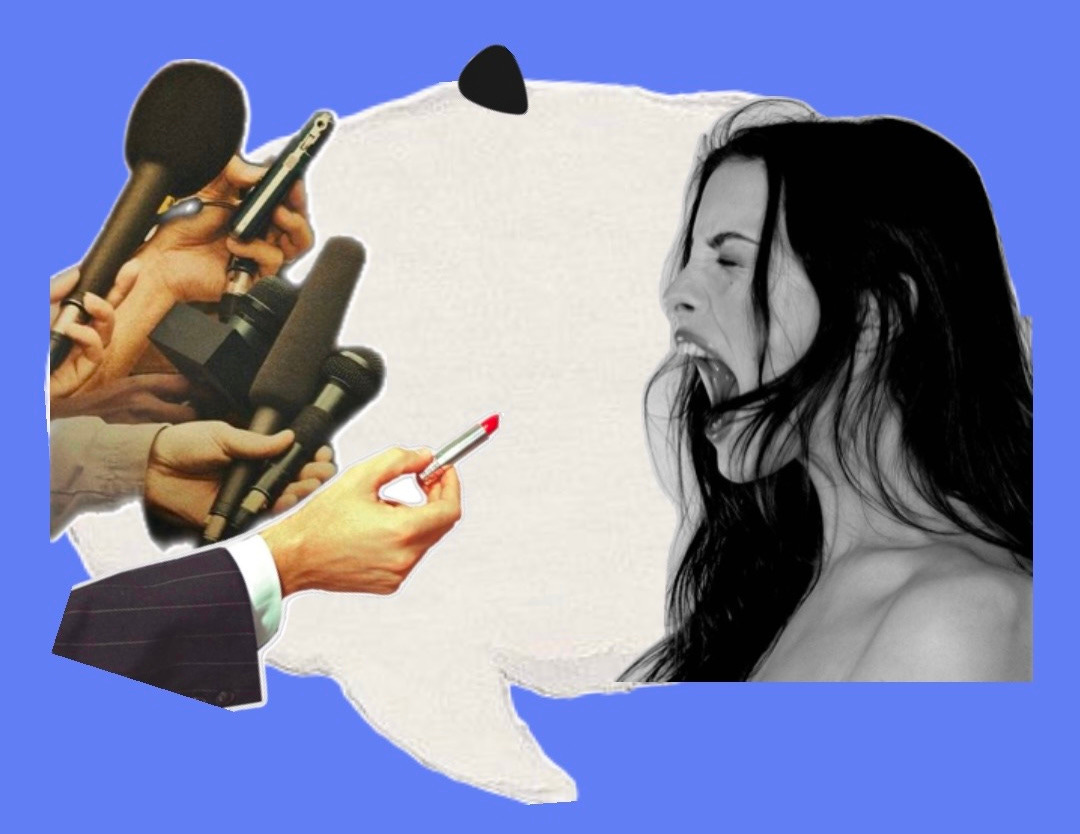
Most of them lack passion; get caught in their routine of asking the same twenty questions that they select a day before the interview. Whether their output is good or not - it doesn’t matter - things have run like that for 30 years.
It’s depressing to work alongside these people who are living your dream and yet do not really make much of it. Being friends with many musicians myself, I know how disappointed some of them are when they leave and feel like they have not been taken seriously. But what are they to do? They want and need to advertise their music, their tour, their persona.
And I want to be clear here: I don’t blame these kinds of music journalists. Most of them are good at what they go. They’re smart, motivated and they built their careers on consistency and especially, on knowing how to turn an interview into a publishable piece within a few hours of edition. The system we work in doesn’t reward depth in interviews, it rewards volume. You get paid per article - so the more you put out, the more you earn. Something that journalists appreciate as their job - mostly freelance - can feel very monitarily unstable.
However, the result is still the same. Musicians walk out of an interview feeling like no one really heard them. That’s the part that always gets to me - the quiet resignation in their voice when saying “It was fine,” even though you can clearly tell it wasn’t. After sitting through the same questions, the same assumptions, the same surface-level interest because that’s what the system expects them to. They’re supposed to show some form of gratefulness for any media coverage at all. They’re supposed to be fine, smile through it, leave and repeat.
Meanwhile, I’m standing there and thinking: It doesn’t have to be like this.
I’ve watched artists light up - ease up even - when interviewers and journalists actually listen. Not when someone flatters them, not when someone tries to impress them with references but when the conversation becomes real.
Musicians feel that. They try to built a career on emotions. They write from places people avoid. Most of them, process deep emotional states in their music and that deserves to be appreciated, to be listened to.
I want to hear you. I care for your story. I will ask about the line in the last verse that you almost didn’t write.
Love & Kisses
Shelley D. Schwartz