
Ralph Pelleymounter: The Frontier of Farewell & The Five-Headed Monster
Ralph Pelleymounter on To Kill A King's last album, writing on Bastille's Ampersand, and the cinematic relief of writing someone else's story

There is a specific kind of atmosphere that accompanies the dissolution of a band. It isn’t the hollow quiet of failure or giving up. More like a resonant hum of a project that has finally said everything it needed to say and is taking its final bow.
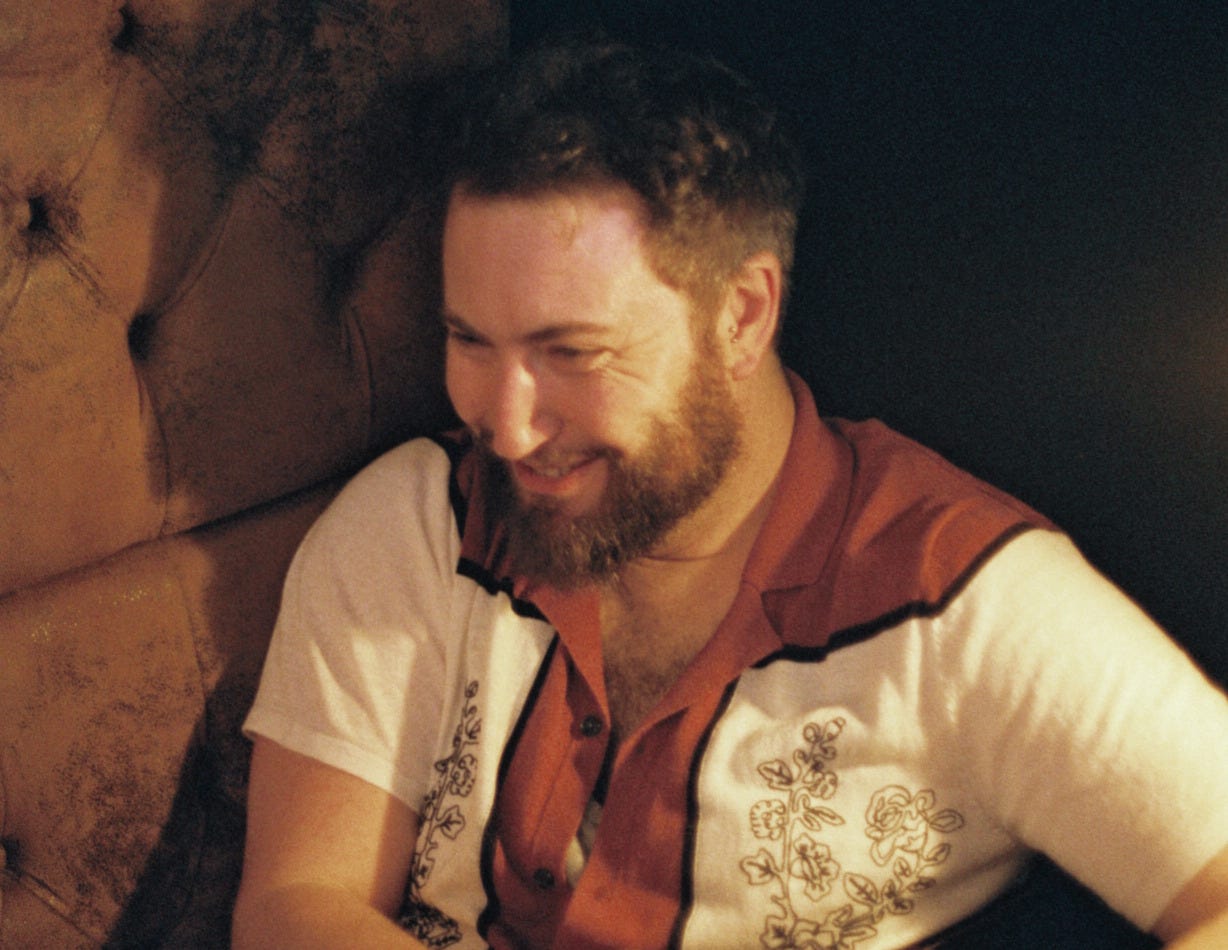
As To Kill A King prepares to navigate their final stage, frontman Ralph Pelleymounter sits on the edge of an entirely new frontier. He is a songwriter who has spent fifteen years balancing the grit of his origin of South Yorkshire with the cinematic expanse of the American West, all while quietly side-stepping the expectations of the London indie music vacuum.
With the band currently preparing to play their final shows in Germany - the territory that first decoded their signal - we spoke to Pelleymounter about the architecture of saying farewell, the creative muscle memory of songwriting, and the relief of finally letting go of the reins.
THE PHONETICS OF ESCAPE & THE 50P ARCHIVE
We have always been preoccupied with the way regional identity translates to the stage. While Pelleymounter’s vocal delivery often carries a more polished inflection, the foundation remains tethered to the North.
“You are right, my accent does confuse people,” he admits. “I grew up in Yorkshire, watching a lot of American TV and films, my parents are from the Lake District, and I’ve spent the last 15 or more years in London. To be honest though, I never had a strong Northern accent and so I’m not entirely sure how much how I speak has changed over the years. I still have the short A sounds on words like grass and glass and I’d be shocked if I ever was heard asking for a glARRce of water.”
But the identity isn’t just in the vowels; it’s in the geography of the early writing. Lyrically, the debut album CWC was a map of Yorkshire. “There are songs that name check streets and bus routes I’d take in Yorkshire. I look at that album ten or more years on and think it is about someone wanted to escape something, get out and see the world.”
When looking for the “truth” in Ralph’s writing, the fingerprints of the greats are visible. He doesn’t shy away from the darker, direct style of the 60s folk architects.
“I have always been really into unique voices,” he explains. “Bob Dylan, Johnny Cash, Chet Baker, Jeff Buckley, were all huge influences on me growing up. Even now I am drawn to those individual, sometimes flawed, always very human voices: Adrianne Lenker, Father John Misty, Mark Oliver Everett.”
When asked specifically about the influence of Leonard Cohen’s grit versus Bob Dylan’s storytelling, his answer is immediate: “I love both of those. I think all this music and everything I’ve heard since is all mixed up in my head and comes out when I write. I’m always in search of that song that when it has finished, I just want to hit play again.”
ESCAPING THE VACUUM
Despite a decade operating out of the capital, the band remained isolated from the algorithmic churn of the local scene.
“To be honest I don’t think we ever felt part of a particular scene in London,” he notes. “Certainly not the London Indie one. We used to put on these folk, stand up comedy, poetry nights called Play All the Things that I suppose attached us to certain people but everyone was so different in sound, it was perhaps too broad to be seen and a ‘scene.’”
Now, the physical and temporal distance has recalibrated his frequency. Saying goodbye to the band is a shift in momentum. “I think since COVID and the various members spreading across the country it arguably has been finalising for some time. I’m so glad we got to do this last album, which really is about that process, growing older and saying goodbye to parts of your life. TKAK was a huge part of my life and I think putting it aside does means I can focus on new things and explore different sounds and style of music more freely. A five headed monster is a fabulous thing but it’s hard to get it to turn direction quickly.”
WESTERN GRIT & BORROWED STORIES
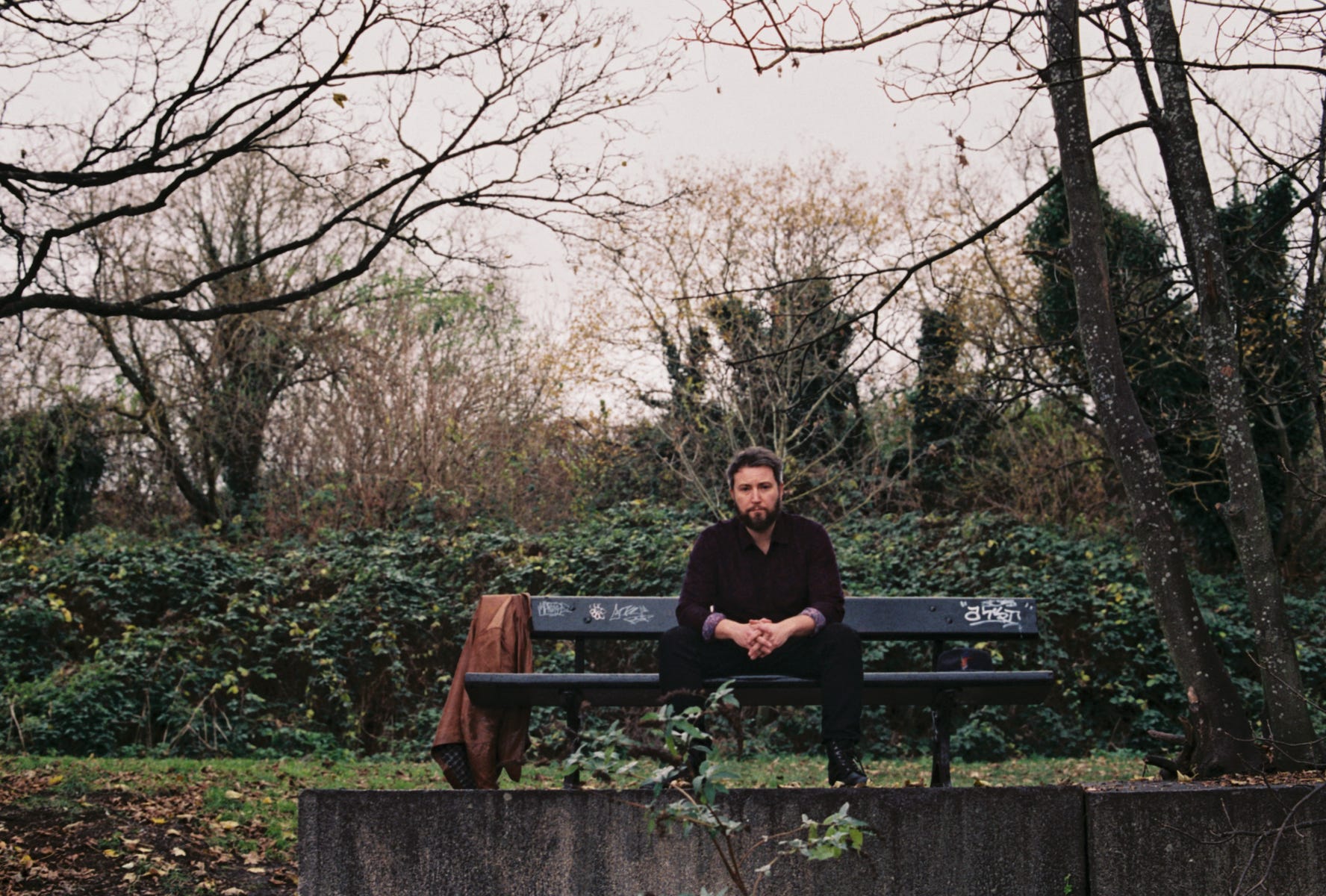
One of the most compelling pivots in Pelleymounter’s recent portfolio is the jump into collaborative work and the cinematic, specifically soundtracks like Annie Oakley Hanging. We suggested a link between the grit of the North and the spirit of the West.
“A link between the grit of the north and spirit of the west, I like that, in fact maybe I will steal it,” he laughs. “I think of the tropes of the Western as a story telling device. You can condense all the world and its problems onto a smaller stage, one town for example. A place small enough that one person’s actions might actually make a difference against the corruption, or injustice that you put in your story.” He points to a particular affinity for films that carry this weight without the period dressing: Dead Man’s Shoes, Drive, No Country for Old Men.
There is also a palpable relief in stepping out of the direct glare of the spotlight to write for others, such as his work on Dan Smith’s (Bastille) & (Ampersand) project. “A relief to be writing about other more interesting people? Yes. A relief to be able to have a fun day writing with a friend and then hand the song onto his team and be like you guys do the rest of the hard work releasing, marketing, performing this? Even more so!”
REINCARNATION
To Kill A King’s final album concludes with ‘The Whole Thing comes Around’ and ‘Reincarnation,’ the latter track that serves as a definitive blueprint for the current moment.
“I hope it’s a personal and universal song. The courage to move forward, into the unknown, make that change, take that job, move away. It is a song about the end of the band but also about saying goodbye to a stage in my life that is over and saying that is not a bad thing.”
It is fitting that this chapter closes in Germany. “Germany was the first place that really embraced us as a band. We could play full rooms here way before we could back home and for that we will always love you guys.”
As for what remains when the noise finally stops? The discipline of the craft.
“I think it is always be writing,” Pelleymounter tells us. “It is a muscle and if you stop it, it can take you a bit to get it back into shape. I also love story telling, I think in another life I might have not chosen music, maybe perhaps film or books. I still love the idea of in the morning there is a blank page and by the end of the day something has been brought to life.”
The five-headed monster may be laid to rest, but the instinct to create remains entirely intact.
To Kill A King will tour Germany late May 2026 for two exclusive final unplugged concerts in Frankfurt (May 27, Ponyhof Club) and Berlin (May 29, Fotostudio Roger Paletti).
Check out To Kill A King’s final album here:
-Shelley D. Schwartz